

Client Won't Pay for Services? A Lawyer Approved Plan for Freelancers

You open your inbox, spot the invoice, and feel your stomach drop.
It's past due again. The work is done and deliverables sent, and now you're stuck refreshing your bank app like it's going to fix the problem.
If you're a freelancer, consultant, creative, or service provider, this isn't just about money. It's about time, focus, and the mental load of chasing someone who already benefited from your work.
If you're finding yourself in a situation and saying, what do I do if my client won't pay for services. Then you need a plan in place that resolves the issue any time this happens.
From an attorney's point of view, your goal is to stay factual, build a paper trail, and escalate when necessary.
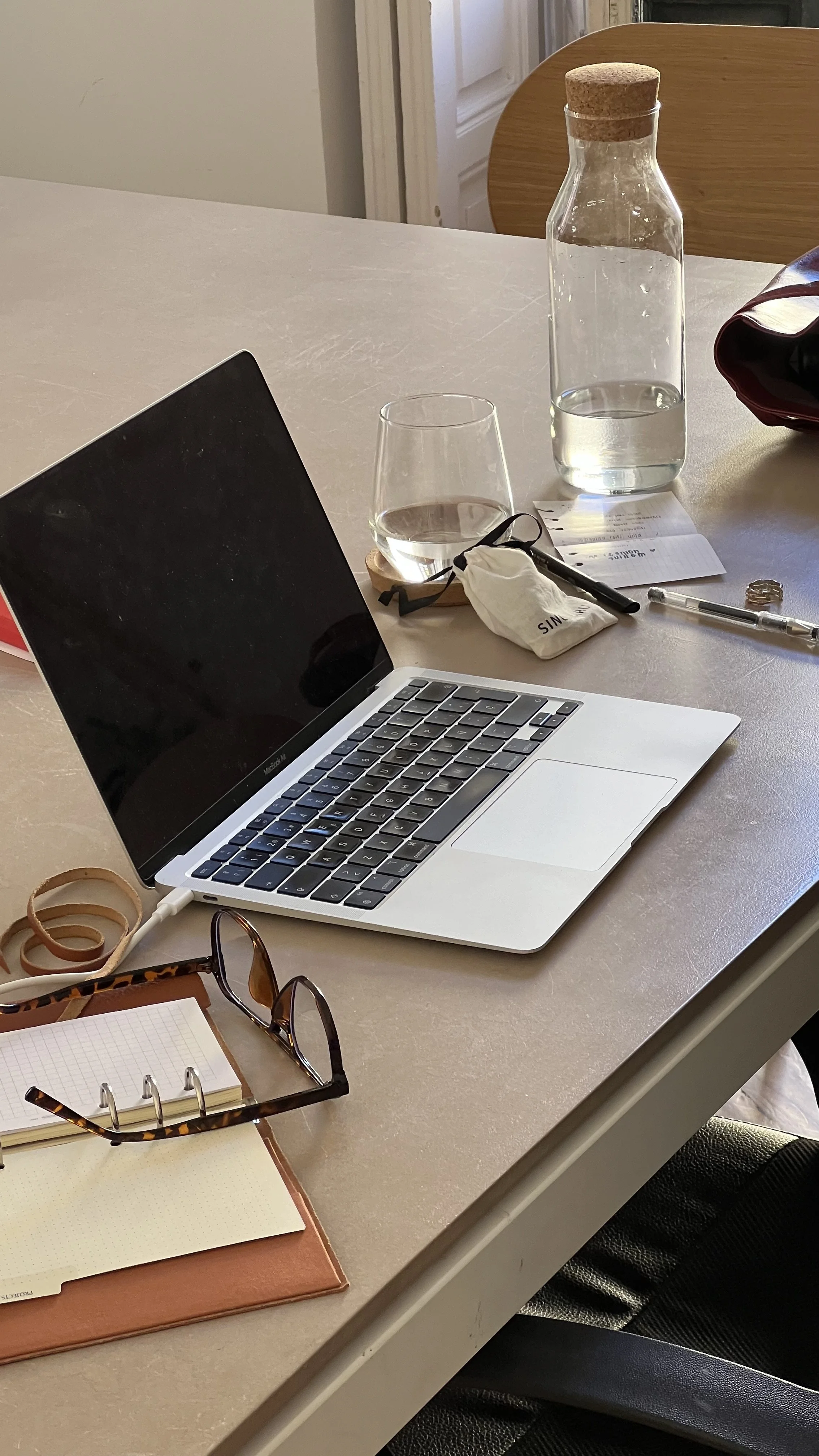
First, get clear on what's happening
A short pause now can save you hours later. Nonpayment often looks personal, but it's usually one of a few predictable patterns. Start with facts, not feelings, because facts are what help you get paid.
Also, keep everything in writing from here on out. If you talk by phone, follow up by email with a recap.
Confirm the basics
Before you send a message, do the following:
Check the due date and payment terms in your contract and invoice (Net 7, Net 15, Net 30).
Confirm whether your agreement allows late fees and when they apply.
Make sure the invoice shows the correct invoice number, date, scope, and total.
Re-send the invoice (PDF plus a payment link, if you have one).
Confirm delivery, because spam filters and bounced emails happen.
Verify the right person got it, because the project contact may not be the billing contact.
This isn't busywork. Many "nonpayment" situations are simple admin errors.
Figure out the problem
You'll respond faster if you classify the problem. Is this a(n):
Admin issue: They say, "We never got it," or "AP needs a PO number."
Cash-flow stall: They reply, but keep pushing dates, often with vague promises.
Scope dispute: They claim something wasn't included, or they want extra work before paying.
Values problem (avoidance): They ghost, dodge, or act offended when you mention the invoice.
Set your boundary
Don’t set yourself up to do more work. Choose what tasks you are willing to do to resolve the issue.
For example, you might commit to: clear reminders, firm timelines, and written follow-ups. At the same time, decide what you won't do: endless chasing, emotional bargaining, or extra free work "to show good faith."
When you have boundaries in place, you can protect yourself from burnout, emotional labor, and unpaid labor. They can also protect client relationships, because they keep things professional.
Built By Freelancers, For freelancers


About the Author
Michelle Wilson is a licensed business attorney with over 12 years of experience, including time at the U.S. Department of Justice. She is the founder of Wilson Murphy Law and The CEO Legal Loft, where she helps service providers, freelancers, and online business owners protect their income through practical contracts and legal solutions. Michelle has helped over 4,000 online business owners stop doing business unprotected and she believes your contract should
do the hard work so you don't have to.
Find out the reason your invoice isn’t being paid
Once you know the reason, you can match your response to it. As a lawyer, I suggest you keep the conversation in writing, stick to the agreement, and limit back-and-forth.
If it's a scope dispute
Ask for specifics in writing. "Please list what deliverable you believe is missing, and where that item appears in our agreement." Then point back to the scope, approvals, and change-order
terms.
Offer two paths:
Pay the invoice as agreed and close the project.
Pay the invoice, then proceed with additional work under a paid revision plan.
Don't enter the free redo spiral. If they want more, that's a new scope.
If they're ghosting
Switch channels while staying consistent. Email first, then your invoicing portal reminder, then LinkedIn, then a phone call if you have a number. Keep each message short and repeat the
same facts: invoice number, amount, due date, and the deadline you set.
Also, document every attempt with dates, who you contacted, and any replies. If you later need to escalate, that log helps.
If they say they can't pay right now
Only offer a payment plan if you want to. If you do offer one, require the first installment before any further work.
Put it in writing with dates and amounts. State what happens if they miss a payment (for example, the remaining balance becomes due, and work stays paused).
What to do when a client doesn't pay (a step-by-step plan)
The next few steps are an escalation ladder. Each step should be clear, dated, and documented.
Send your first follow-up
Keep it short and assume good intent. You can copy and paste the text below:
Subject: Invoice #[X] due [date]
Hi [Name], hope you're doing well. I am re-attaching invoice #[X] for $[amount], due [date].
Can you confirm when payment is scheduled?
You can pay by [card/ACH/PayPal/other methods you accept].
Thanks,
[Your name]
If you use an invoice system, include the payment link again. You want to make paying easy.
Send a firm second follow-up (with a deadline)
If the first message gets no payment or a vague reply, set a clear deadline. Use a date and time, not "end of week."
You can say: "Please submit payment by Tuesday, Feb. 10 at 5:00 PM ET."
Then name the next step. If your contract allows late fees, mention them. If it doesn't, don't
invent them.
Send the "pause work" message (protect your time and attention)
If payment is overdue, stop working. Continuing to deliver teaches the client they can pay whenever.
Your message can be as simple as:
Dear [x],
I am pausing new work until the invoice is paid.
[List what goes on hold or what will not be delivered, such as drafts, design files, logins,
scheduled meetings, posting, or final exports]
I'll resume as soon as payment posts.
Best,
[Your Name]
Send a final notice
A final notice is a short, factual summary with a last deadline. Do not threaten a lawsuit or collection if you won't follow through.
You’ll want to include:
Final deadline for payment
Amount owed and invoice number
Brief description of what it covers (for example, "website copy per proposal dated [date]")
Next-step options: payment in full, a payment plan (optional), partial release of files (if
you choose), termination of the contract (if contract allows), or a formal demand letter
Escalation options
Your escalation choices depend on the amount, the client, and your capacity. Sometimes the best move is a clean exit. Other times, you might need to take more formal steps to get the result you want.
Internal escalation (inside the client's company)
If the client has a team, loop in the right people. Often, your main contact isn't the person who
can fix payment.
Use a clear subject line and attach the invoice and payment link. You can copy a billing inbox,
an accounts payable contact, a manager, or the owner. Keep the message neutral, because you
want cooperation.
Formal escalation (when reminders don't work)
At a high level, you have three common routes:
Demand letter: A written notice that states the amount owed, the basis for it, and a
deadline. Keep it factual and attach the invoice and contract excerpt if helpful.Collections: A collection agency may take a percentage. It can work for clear,
undisputed invoices, but it's a trade-off.Small claims court: This can make sense when the invoice is large enough to justify
your time. Before filing, compare the amount owed to the hours you'll spend preparing
and appearing.
Rules vary by state, so check local procedures before you commit.
Reputation and safety boundaries
Public call-outs often backfire. They can also create stress you didn't budget for. If you choose
to post, assume it may follow you longer than the unpaid invoice.
If a client feels threatening, prioritize safety. Save messages, stop direct contact, and get support from a local attorney or a trusted advocate. You can be firm without putting yourself at risk.
How to prevent late or missing payments
Preventing late or missed payment doesn't require a 12-page contract. A few clear terms and
habits reduce most payment issues.
Contract terms that reduce non-payment
Strong agreements tend to include: clear scope, milestones, due dates, late fees (if you want
them), a kill fee, ownership terms, and a clause that allows pauses if an invoice is overdue.
Also, many freelancers include a rule that they will withhold final files until paid, as allowed by
their agreement. The key is to state it upfront, and have the document signed by all parties.
Payment structures that protect cash flow
Structure lowers stress because it removes the "will they, won't they" feeling.
You can do the following to protect your cashflow:
A deposit before work starts
Milestone billing for longer projects
Saved payment methods or autopay when possible.
Processes that make invoice follow-up easier
Create a system you can run on repeat:
Invoice the same day a milestone is reached.
Use a reminder schedule (on the due date, 3 days late, 7 days late, 14 days late).
Save one email template so you're not hunting for words.
Track invoices in a spreadsheet or CRM, even if it's basic.
Conclusion for when clients won’t pay for services
Not being paid for your work is frustrating. You provided a service, and the invoice is part of the
agreement.
That’s why you need your agreement to be specific about what triggers a payment pause, what
happens to deliverables, and what the consequences are for a missed invoice. When it does, you don't have to figure out what to say in the moment because the contract does it for you.
Want the exact contract language that handles missed payments?
The Enforce Your Pay™ Framework is a free lawyer-drafted template that gives you the
specific contract clause that lets you legally pause work when a client misses a payment.
This clause helps you enforce your payment without guilt, awkward emails, and feeling like the
bad guy.
It includes the payment enforcement clause, a breakdown of the payment terms your contract
needs, guidance on when and how to pause work, and the exact placement instructions for your
service agreement.